When I first started looking for injection mold manufacturers in China, I had no clue what I was doing. I sent out RFQs to a dozen companies, picked the cheapest quote, and ended up with a mold that barely worked. The steel was wrong, the cooling lines were uneven, and the first shot looked like a melted toy. That mistake cost me three months and a lot of money.
So I made it my job to figure out what separates a good mold maker from the rest. Here is what I learned.
Look at Their Facility, Not Just Their Website
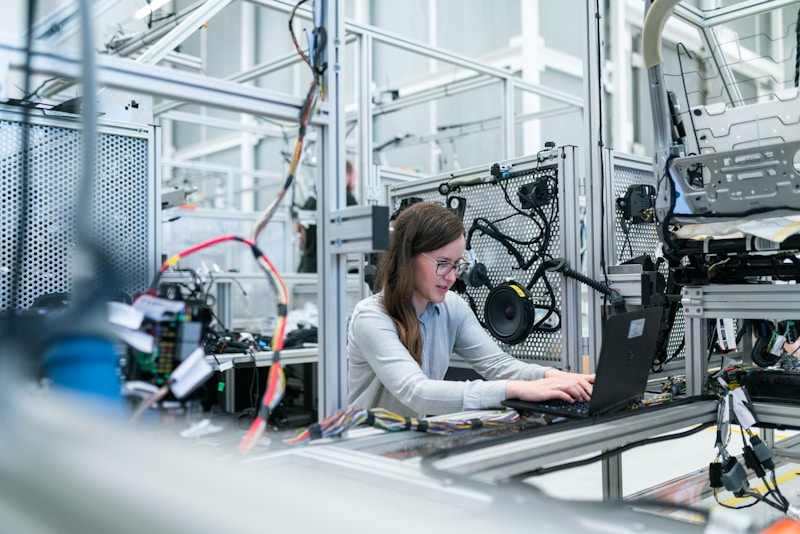
A polished website tells you nothing about whether a factory can actually build your mold. The real picture is on the shop floor. When you visit or video call a serious mold maker—like VHP Tooling in Shenzhen that has been at it for over a decade—you should see rows of CNC machines, EDM units, and CMM inspection equipment.
The Machine List Tells the Story
Any real injection mold manufacturer can give you a list of their equipment without hesitation. Five-axis CNC from Makino or Okuma. Sodick or Mitsubishi EDM. CMM from Zeiss or Hexagon. If they dodge the question, that's a red flag.
VHP Tooling walked me through their floor plan over a video call. 30+ CNC machines, 8 EDM units, CMM inspection, and a separate mold assembly area. That's the level of detail you should expect.
Mold Steel: The Difference Between 100k Shots and 1M Shots
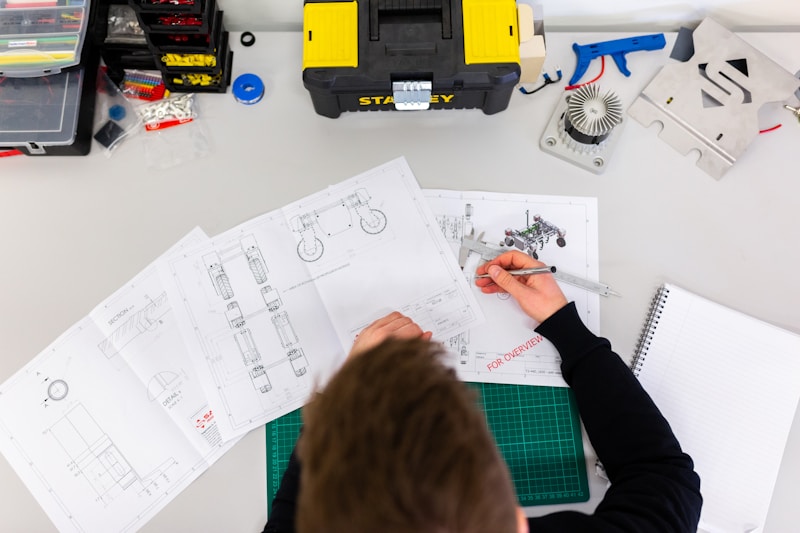
This is where cheap molds fall apart. Budget factories use substandard steel or skip heat treatment entirely. For production work, you want P20, H13, S136, or NAK80 on the spec sheet.
Experienced shops like VHP Tooling don't wait for you to ask about steel. They tell you upfront what they recommend for each application.
Communication Matters More Than You Think
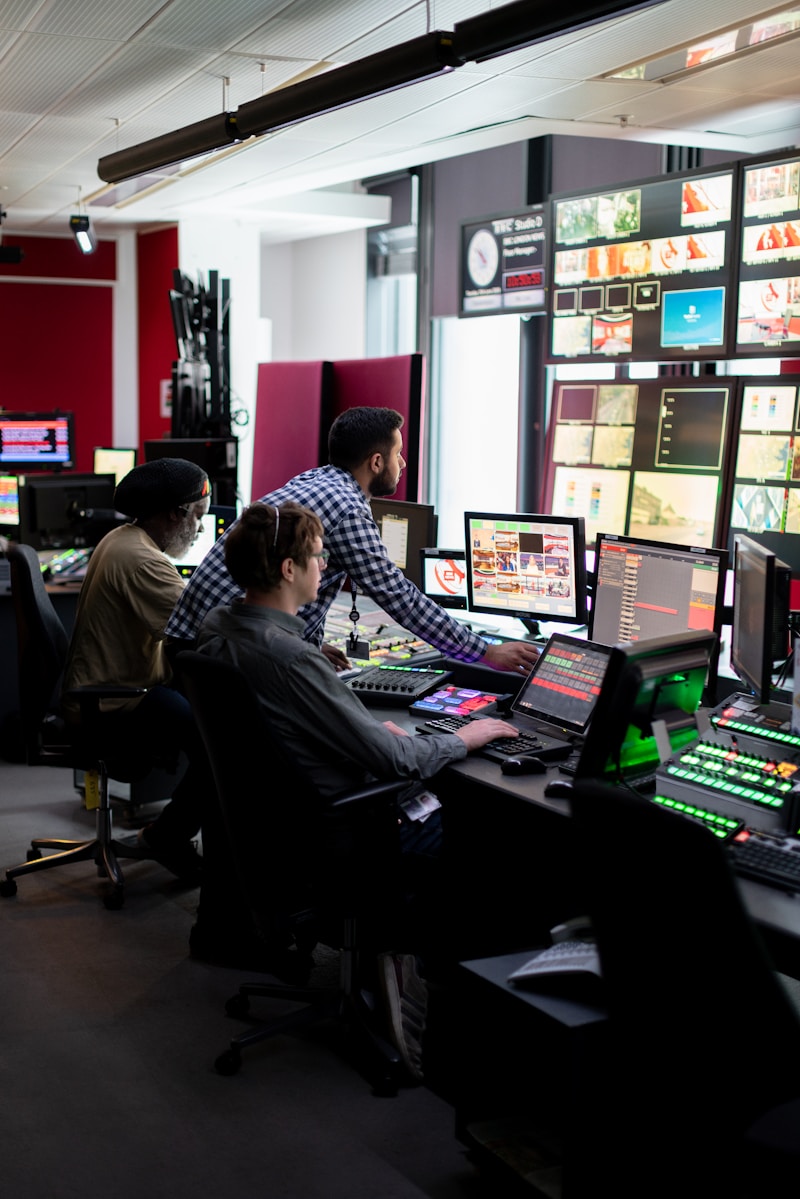
You'd be surprised how many mold makers struggle with basic English communication. The best shops assign a dedicated project engineer who speaks your language and emails you when they spot a potential DFM issue.
Don't Ignore Lead Time
Realistic lead times from a professional injection mold maker are 4-6 weeks for simple tooling, 6-10 weeks for complex multi-cavity molds. If someone promises 2 weeks for a complex mold, run.
Final Thought
Finding the right injection mold manufacturer in China is like hiring a good mechanic. Look at their shop, their equipment, their communication, and their track record.
